
DEVGRU (Development Group) is the official name for what's commonly known as SEAL Team Six, an elite special operations unit within the United States Naval Special Warfare Command. It's known for conducting highly classified missions, including hostage rescues, high-value target operations, and specialized reconnaissance. DEVGRU operators undergo one of the most rigorous selection and training processes in the U.S. military, building upon the already demanding Navy SEAL training with additional specialized skills and tactics.
Being the best of the best and constantly forging forward without delay. It is more than just a title; it's about realizing human and team potential, and ultimately, a profound commitment.
Table of Contents:
- The Making of a Navy SEAL
- Navy SEAL DEVGRU: Seal Team 6
- The Brotherhood Bond
- The Mindset of Excellence
- Notable Operations and Achievements
- Conclusion
The Making of a Navy SEAL
The journey to becoming a Navy SEAL is challenging. This intense experience demands the best of candidates in multiple areas, including being strong, tough, and hard-working team members. This is true for those working towards BUD/s and the veterans currently running operations.
It tests mental, physical, and emotional limits. Many think only physical training is a major challenge, but candidates who work their bodies without putting work into their minds rarely succeed.
What is DEVGRU, Also Known as SEAL Team Six?
DEVGRU, officially known as the Naval Special Warfare Development Group and commonly referred to as SEAL Team Six, is a specialized counter-terrorism unit within the U.S. Naval Special Warfare Command. This group represents the pinnacle of elite forces, comprising top-tier SEALs drawn from the broader SEAL Teams and standing shoulder to shoulder with the Army's renowned Delta Force. It operates under the jurisdiction of the Joint Special Operations Command (JSOC), carrying out critical and high-stakes missions.
Organizational Structure of DEVGRU
SEAL Team Six is meticulously structured into four principal squadrons, each identified by unique colors:
- Red Squadron
- Blue Squadron
- Gold Squadron
- Silver Squadron
Each of these squadrons typically comprises about 50 operators. Within a squadron, personnel are organized into three troops. These troops are further divided into smaller, specialized teams focused on assault operations and sniping skills, which enhances their effectiveness during missions.
In addition to these, there are specialized units to tackle specific operational needs:
- Gray Squadron (rumored): Dedicated to maritime operations, leveraging specialist boat skills for water-based missions.
- Black Squadron focuses on reconnaissance and surveillance tasks, mirroring the role of the Army's Intelligence Support Activity, which underpins intelligence gathering and strategic foresight.
This well-defined structure ensures that DEVGRU can flexibly and efficiently respond to a variety of complex global challenges.
DEVGRU Training (Green Team)
The path to joining SEAL Team Six, also known as DEVGRU, begins with an exclusive invitation. Only the top-performing team members, those in peak physical condition with multiple deployments and over five years of experience, are considered. The Green Team's selection process occurs once a year and spans approximately six months.
- Rigorous Evaluation: Candidates undergo continuous observation, scrutiny, and evaluation by DEVGRU instructors, and they are under immense pressure to perform at their best.
- Success Rate: Roughly 50% of candidates complete the selection process, underscoring its competitive nature.
Advanced Training
Candidates are put through 6-12 months of advanced training, including:
- Advanced Close Quarters Combat (CQC) training
- Advanced sniper training
- Advanced explosives and breaching training
- Language training and cultural immersion
Specialized Skills
During this period, candidates learn specialized skills, such as:
- Hostage rescue
- Counter-terrorism
- Advanced surveillance
They also undergo a final evaluation, known as the "opa-locka" test, which simulates real-world scenarios. Those who pass are awarded the Navy SEAL Trident Pin and become members of DEVGRU.
Note: The training process is highly competitive, and only a small percentage of candidates complete the entire program. The exact details of DEVGRU training are classified, but this provides a general overview of the grueling process that produces the world's most elite special operations forces.
What Sets DEVGRU Apart
DEVGRU operators undergo extra, highly specialized training. Only some of what candidates face is known by outsiders, even inside the same military; very little is publicly accessible about this tier-one team.
They are experts in special tactics like advanced reconnaissance and hostage rescue units. This includes advanced breaching tactics for challenging building scenarios.
Reconnaissance and Surveillance Expertise
In addition to their tactical prowess, DEVGRU operators, especially those trained as snipers, excel in reconnaissance, surveillance, and intelligence gathering operations. Their skills in these areas are honed to perfection, enabling them to provide critical information and support during missions. This expertise ensures they can operate effectively in environments where stealth and precision are paramount.
By mastering these diverse skill sets, DEVGRU operators remain at the forefront of military excellence, ready to execute complex operations with unmatched efficiency.
Primary Missions and Roles
- Counter Terrorism: SEAL Team Six excels in Maritime Counter Terrorism (MCT), focusing on operations like hostage rescue and the neutralization of threats on ships and oil platforms. Beyond maritime tasks, they can engage in wide-ranging counter-terrorism missions, with a strong operational presence in Afghanistan since 2001.
- Close Protection: On occasion, DEVGRU provides close protection for VIPs. Notably, they ensured the safety of Afghanistan President Hamid Karzai during the early days of his presidency, exemplifying their role in high-stakes security.
- Special Reconnaissance: The unit’s operators, particularly those with sniper training, are adept in reconnaissance, surveillance, and intelligence-gathering tasks. Their skills in these areas make them invaluable for missions requiring discretion and precision.
Their missions are confidential and given only to the military’s best. These high-stakes operations go under the radar due to their confidential nature.
SEAL Team Six received its name despite being the third team in existence because of a strategic move during the Cold War. At a time when only two other Navy SEAL teams existed, leadership chose the number six to create a clever diversion. This numbering was an intentional tactic to mislead the Soviet Union, suggesting the presence of more teams than actually existed. By implying greater resources and strength, it served as a psychological ploy during a tense geopolitical period. This clever misdirection now stands as a notable piece of military history.
Understanding SEAL Team Six: The Pinnacle of Military Excellence
SEAL Team Six represents the elite of the elite within the United States military framework. Officially known as the Naval Special Warfare Development Group (DEVGRU), this unit operates within the highest echelons of the Special Operations Command.
The Role and Mission
SEAL Team Six's primary role involves executing high-risk, highly classified missions worldwide. Unlike traditional military units, their operations extend beyond conventional combat. They specialize in counter-terrorism, hostage rescue, and clandestine operations that require precision, secrecy, and expertise.
The Selection Process
Only the most skilled Navy SEALs, known for their legendary endurance and tactical acumen, are considered for SEAL Team Six. The selection process is rigorous, designed to identify individuals capable of handling the most challenging scenarios with composure and proficiency.
Global Reach and Impact
While the operations of SEAL Team Six are shrouded in secrecy, their impact is significant. They are deployed in scenarios where failure isn't an option, contributing to national security by preventing threats before they materialize.
This unit's reputation for effectiveness and professionalism makes them an indispensable asset to the United States military. They embody stealth, strategy, and strength, executing missions that protect and serve national interests across the globe.
Secrecy and Operations
The details are only on a “need-to-know” level. It helps keep missions secure and offers a critical tactical advantage over their adversaries.
Their operators work quietly. You learn that discretion is essential to global safety.
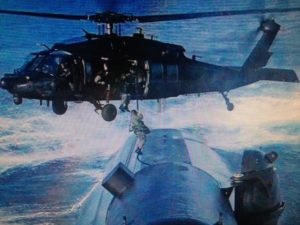
Devgru Navy SEAL Team 6
DEVGRU's Specialized Units
These squadrons handle various high-level tasks that extend the reach and impact of the Naval Special Warfare Command.
- Red Squadron: Primarily focused on direct assault operations.
- Blue Squadron: Specializes in maritime operations, including underwater demolitions and ship attacks.
- Gold Squadron: Known for its expertise in reconnaissance and intelligence gathering.
- Silver Squadron: Focus is more diverse.
- Black Squadron: Dedicated to covert intelligence and reconnaissance operations.
- Gray Squadron: Specializes in mobility, providing transportation and support for other squadrons.
Counter-Terrorism and Maritime Expertise
DEVGRU, often known as SEAL Team Six, excels in counter-terrorism, with a particular prowess in Maritime Counter Terrorism (MCT). Their skill set includes:
- Hostage Rescue: Executing precision operations to liberate hostages on vessels and oil platforms.
- Elimination of Threats: Neutralizing terrorists in complex maritime environments.
Since 2001, they've concentrated efforts in and around Afghanistan, showcasing their adaptability and commitment to global counter-terrorism. In addition to reactive missions, DEVGRU is adept at pre-emptive operations, acting decisively to counter threats before they escalate.
This combination of specialized squadrons and their demonstrated counter-terrorism expertise underscores DEVGRU's critical role in global naval security.
Who Is Richard Marcinko
Richard Marcinko originally formed this unit. The origins of SEAL Team Six trace back to a pivotal moment in history: the aftermath of Operation Eagle Claw. This aborted 1980 mission aimed to rescue American hostages in Iran but underscored the urgent need for dedicated hostage rescue units. In response, SEAL Team Six was assembled under Marcinko's leadership and became operational in 1981.
The unit's mission was clear and critical: Maritime Counter Terrorism (MCT) and ship-boarding operations. However, the evolution of this elite group didn't stop there. By 1987, SEAL Team Six was disbanded, but its role was largely transferred to the newly established Naval Special Warfare Development Group, known as DEVGRU.
While DEVGRU took over many of SEAL Team Six's responsibilities, it was staffed by a significant number of the original operators, ensuring that their ethos and standard operating procedures endured. Although SEAL Team Six is no longer the official name, the moniker persists, especially in media portrayals, underscoring the unit's lasting legacy and impact.

DEVGRU: When Excellence Is The Standard... And More.
The Brotherhood Bond
Beyond the training and the missions, what all of these SEALS have is connection and unity. This brotherhood is the result of shared hardship and the deep trust needed for them. This bond drives them forward.
SEALs depend on each other entirely in life-or-death challenging situations. It leads them through their missions together.
They rely on trust and each other completely. Every man, knowing the person to their left and right, is equally prepared and keeps their life safe. It's a non-negotiable foundation of their work and all they complete together.
Notable Operations and Achievements
While shrouded in secrecy, DEVGRU has been involved in numerous high-profile operations. These are often kept confidential, and some have become public knowledge.
DEVGRU operators were essential to Operation Eagle Claw, a daring mission in 1980 aimed at rescuing American hostages in Iran. Despite its challenges, this operation set the stage for future special operations.
One of DEVGRU's most well-known missions was the raid that resulted in the death of Osama bin Laden in 2011. Codenamed Operation Neptune Spear, this operation showcased DEVGRU's precision, training, and capability to execute high-stakes missions. DEVGRU's success in this operation solidified its reputation.
In addition to these missions, DEVGRU played a critical role in Operation Gothic Serpent in 1993, which sought to capture warlord Mohamed Farrah Aidid in Somalia. This mission, although fraught with danger, demonstrated DEVGRU's ability to adapt in complex urban environments.
DEVGRU was also integral to Operation Anaconda in 2002, a high-altitude battle in Afghanistan aimed at dismantling al-Qaeda forces. Their expertise was pivotal in navigating the challenging terrain and engaging enemy combatants.
These missions underscore the unit's evolution and its continuing role in global counter-terrorism efforts. Each operation reflects a unique aspect of DEVGRU's capabilities, from precision strikes to complex rescue missions, highlighting their unmatched expertise in the field.
Who Are the Personnel That Make Up SEAL Team Six?
When discussing SEAL Team Six, most people think only of the Navy SEAL operators, but the reality is more diverse. While the operators are the face of the force, the team comprises a broader range of skilled individuals beyond just the Navy SEALs.
Diverse Talent Pool
The majority of SEAL Team Six's members, both the elite operators and crucial support staff, hail from various Navy communities. Beyond SEALs, you'll find specialized personnel like:
- Navy SWCCs (Special Warfare Combatant-Craft Crewmen)
- Navy EOD Techs (Explosive Ordnance Disposal)
- Navy SARCs (Special Amphibious Reconnaissance Corpsmen)
- Air Force PJs (Pararescue)
- Combat Controllers (CCTs)
Importance of Support Roles
Support roles are indispensable within SEAL Team Six. These individuals undergo stringent screening to ensure they possess the necessary motivation and skills to contribute to mission success. Their efforts are pivotal, providing logistical and strategic support to the frontline operators.
Some of the key support roles include:
- Boatswain’s Mates
- Intelligence Specialists
- Master-at-Arms
- Cryptologic Technicians (CTs)
- Logistics Specialists
- Navy Divers
- Seabees
Integral Contributions
Members serving in these support capacities are integral to Special Operations Forces (SOF) missions, enabling seamless operations even without direct involvement in combat scenarios. Their expertise ensures that SEAL Team Six operates at peak efficiency, fulfilling missions with precision and effectiveness.
SEAL Team Six: Weapons and Gear Overview
SEAL Team Six, also known as DEVGRU, is equipped with a vast array of specialized weapons and advanced gear, tailored for various mission requirements and environments. Their arsenal and equipment are selected for precision, power, and adaptability.
Close Quarters Combat Weapons
For operations requiring compact, maneuverable firearms, they rely on submachine guns designed for close-quarters combat. These weapons allow operators to move swiftly in confined spaces while maintaining control and accuracy.
Versatile Rifle Systems
For greater versatility, SEAL Team Six uses modified rifles that are suitable for various combat scenarios. These rifles can be customized with accessories like scopes, silencers, and enhanced grips, making them adaptable to diverse operational needs.
Advanced Night Vision Capabilities
Night operations are frequent for SEAL Team Six, necessitating exceptional night vision technology. They use multi-tube systems that provide a wide field of view, granting a tactical advantage in low-light conditions without compromising situational awareness.
Cutting-Edge Tactical Gear
Beyond weapons, SEAL Team Six enhances its capabilities with state-of-the-art tactical gear. This includes lightweight ballistic protection, advanced communication devices for real-time strategy coordination, and compact breathing apparatus for underwater assaults.
Specialized Equipment
In addition to standard issue, SEAL Team Six operators employ unique tools for mission-specific tasks. These can range from breaching tools for rapid entry to drones for reconnaissance and intelligence gathering.
By continuously updating their equipment with the latest technology, SEAL Team Six maintains a formidable presence that can execute complex missions with precision and efficiency.
SEAL Team Six's Role in VIP Close Protection
SEAL Team Six, also known as DEVGRU, is a highly specialized unit within the United States Navy that performs a variety of critical missions, including providing protective services for high-profile individuals.
VIP Security
One of their key responsibilities is ensuring the safety and security of very important persons (VIPs) in volatile environments. This team has the expertise required to manage security in complex and high-risk situations, making them an ideal choice for such crucial assignments.
Expertise in High-Risk Situations
SEAL Team Six is occasionally tasked with safeguarding political leaders and other dignitaries. An example of their competence in action was when they were entrusted with the security of Afghanistan's President during the early stages of his administration. Their ability to operate discreetly and effectively in diverse settings highlights the breadth of their skills and their importance on the global stage.
Advanced Tactical Skills
The team's rigorous training equips them with advanced tactical skills, enabling them to counter threats and make rapid decisions in dynamic environments swiftly. Their presence not only provides physical protection but also acts as a deterrent to potential aggressors.
By leveraging their specialized training and experience, SEAL Team Six ensures that VIPs can focus on their roles without fearing for their safety, especially in regions where the risk of hostility is high.
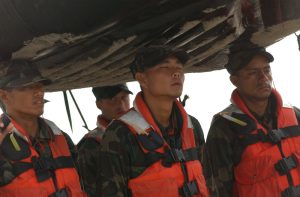
BUD/S Demands To Test Every Fiber Of A Man's Body, Soul, & Spirit.
How Has the Name "SEAL Team Six" Persisted Despite Organizational Changes?
The name "SEAL Team Six" has endured over the years, even through significant organizational changes. Initially, this elite unit was known as SEAL Team Six, famed for its highly skilled operators and accomplished missions.
When the unit was restructured under the name DEVGRU, many of the original SEAL Team Six operators remained, keeping the same rigorous standards and spirit alive. This continuity helped preserve the legacy associated with the original name.
In the public sphere, media portrayals have played a substantial role in cementing "SEAL Team Six" in the public consciousness. Books, documentaries, and movies have consistently used this name, embedding it deeply in popular culture. This regular association reinforced its staying power, even as official titles evolved.
Ultimately, the name persists not just out of nostalgia but because it embodies a brand of excellence, expertise, and daring that audiences continue to recognize and respect.








This is a call one mite hear a seal command in training? -face down, now suck moisture out of dry sand! Comment given by a army res. Private with an honorable discharge plus this next comment is 2 that I like alot, 1 from seals & another from rangers- reels to realed-spirit seals to sealed! Rangers honor or you seal yourself nobody else! Last comment is for all who serve/ honor to honor is due, honor in the spirit true- we honor all of you!
Hooyah!!