Why Some Navy SEAL Habits Can Hurt a Marriage

The 10 Bad Navy SEAL Habits That No Wife Should Have to Deal With are not proof that a service member is a bad husband. They are often work-built survival behaviors that become damaging at home when they go unchecked.
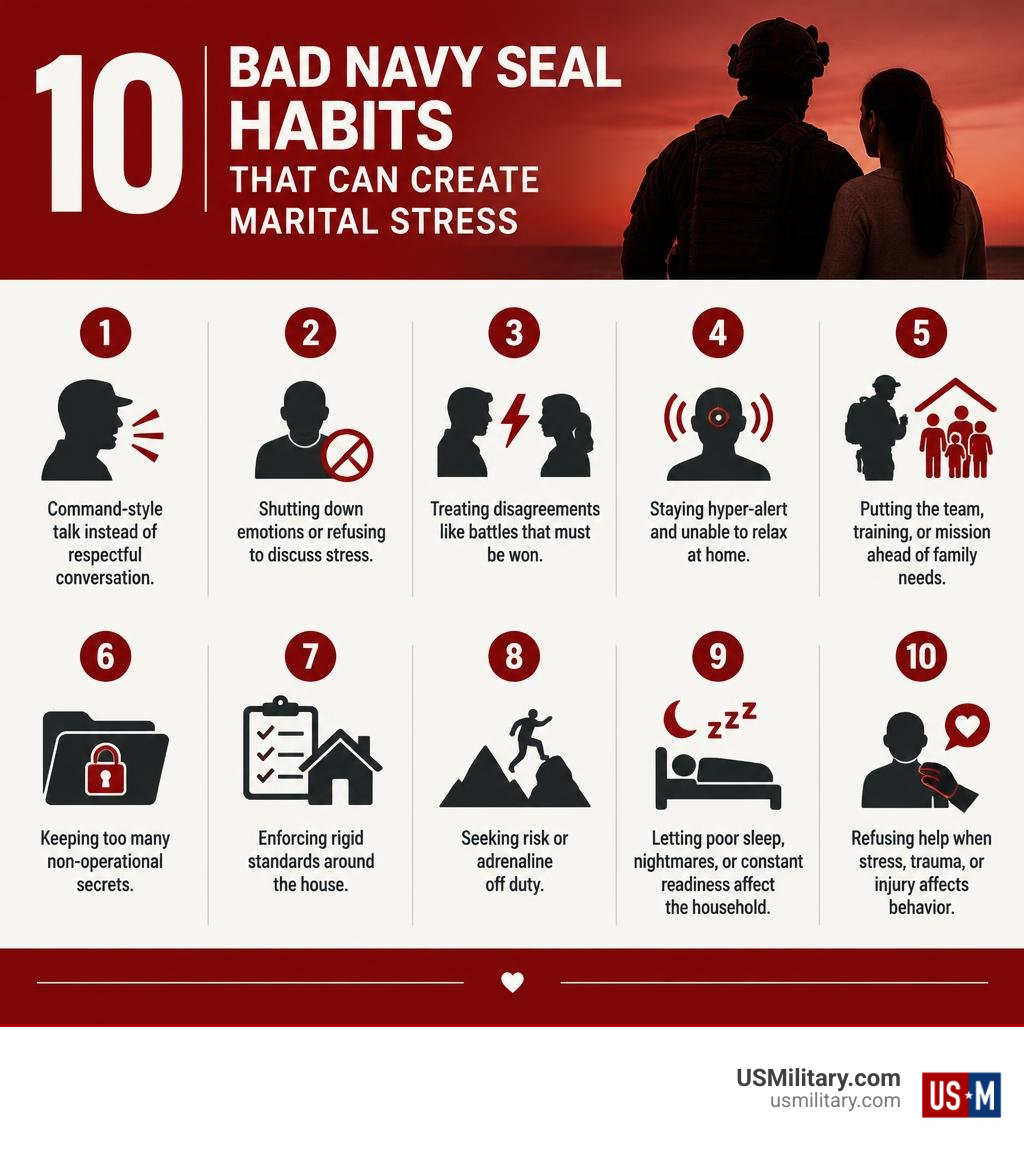
The most common problems include:
- Command-style talk instead of respectful conversation.
- Shutting down emotions or refusing to discuss stress.
- Treating disagreements like battles that must be won.
- Staying hyper-alert and unable to relax at home.
- Putting the team, training, or mission ahead of family needs.
- Keeping too many non-operational secrets.
- Enforcing rigid standards around the house.
- Seeking risk or adrenaline off duty.
- Letting poor sleep, nightmares, or constant readiness affect the household.
- Refusing help when stress, trauma, or injury affects behavior.
Discipline, privacy, fitness, and calm under pressure can strengthen a family. The line is crossed when those traits leave a spouse feeling controlled, ignored, unsafe, or alone. A practical first step is to name the behavior without attacking the person, agree on a boundary, and seek military-aware counseling when conflict, sleep problems, anger, or emotional withdrawal persist.
I am Larry Fowler, BUD/S Class 89, publisher of NavySeal.com and the USMilitary.com Network since 2007, where I have helped active-duty members, veterans, and military families understand service life, benefits, and difficult decisions. In this guide to 10 Bad Navy SEAL Habits That No Wife Should Have To Deal With, I focus on clear warning signs and realistic ways to protect both the marriage and the operator's well-being.
10 Bad Navy SEAL Habits That No Wife Should Have To Deal With word list:
- How Navy SEALs Can Be Perfect Husbands and Amazing Role Models
- A Day In The Life Of A Navy SEAL Operator
- Navy SEAL Jocko Willink
10 Bad Navy SEAL Habits That No Wife Should Have To Deal With
Naval Special Warfare produces elite warriors capable of operating in extreme environments. However, the precise psychological conditioning, hyper-focus, and stoicism that keep operators alive downrange can create severe friction within a marriage. When elite operational habits spill across the threshold of the home, spouses often face emotional distance, controlling routines, or chronic tension. Here are the ten distinct habits that no spouse should have to navigate alone.
1. Tactical Command Communication and Emotional Guardedness
In high-threat combat, communication must be direct, concise, and unemotional. Ambiguity gets people killed. Back home, this operational necessity often morphs into flat, directive speech that sounds like barking orders rather than engaging in a loving partnership.
When an operator shuts down his feelings or treats daily conversations like sitreps, emotional intimacy evaporates. Spouses often report experiencing a complete "flat affect" or stonewalling when trying to discuss marital feelings. These tendencies mirror the broader patterns of bad habits Navy SEALs confess to when transitioning from the field to normal civilian life. A home requires empathy and vulnerability, not tactical briefing language.
2. Treating Marital Disagreements as Missions to Win
The "never quit" ethos is foundational to Special Warfare. During BUD/S training and operational deployments, surrender is not an option. Yet when brought into a kitchen disagreement, this mindset turns simple conversations into domestic battlegrounds.
Instead of seeking mutual compromise or understanding his partner's point of view, an operator trapped in this habit treats the argument as an objective to seize. He may use relentless debate tactics, emotional endurance, or stubborn silence until his spouse simply capitulates from exhaustion. Marriage is an equal partnership, not an adversarial terrain where one party must defeat the other.
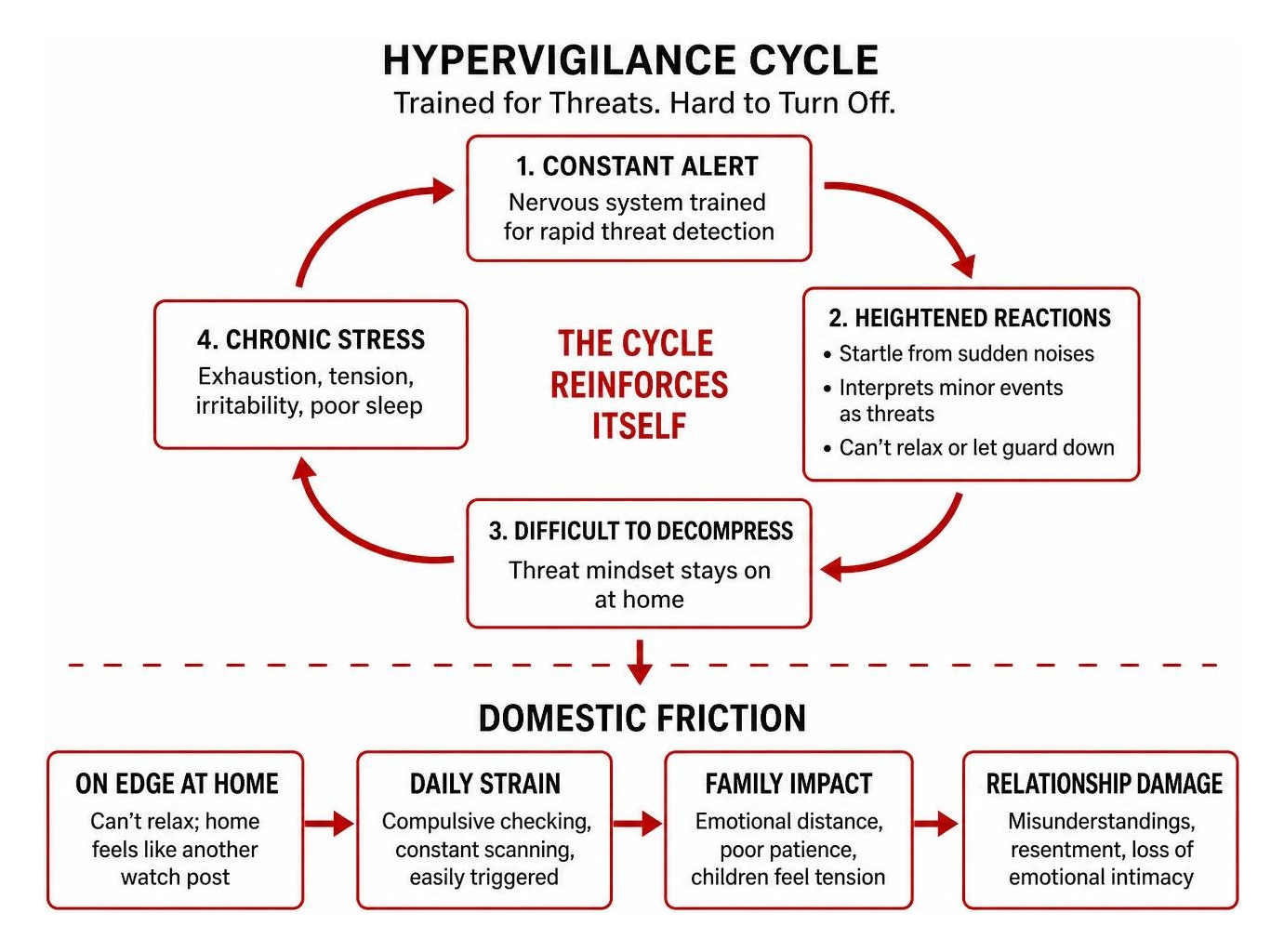
3. Hypervigilance and Inability to Decompress at Home
Operators spend years training their nervous systems for rapid threat detection. Unfortunately, the autonomic nervous system does not simply turn off upon returning to domestic life.
Spouses frequently describe living with a partner who is constantly on edge:
- Refusing to sit with his back to the door in restaurants.
- Checking locks, security cameras, and perimeter doors compulsively.
- Reacting with extreme startle responses to sudden household noises.
- Interpreting minor neighborhood events as immediate tactical threats.
The high-stress tempo described in the daily life of a Navy SEAL operator can leave a service member stuck in perpetual fight-or-flight, turning what should be a peaceful home into an exhausting watchtower.
4. Prioritizing the Brotherhood Culture Over Family Needs
The bond between teammates in the special operations community is forged under extreme hardship. While this brotherhood is vital for unit cohesion, it can become toxic when prioritized over the marriage.
Spouses frequently find themselves competing with the team for time, attention, and loyalty. Whether it is dropping family dinner plans at a moment’s notice to drink with the platoon or prioritizing training detachments over major family milestones, this habit leaves wives feeling like an afterthought. While military service requires sacrifice, treating one's spouse as secondary to off-duty social rituals destroys marital trust.
5. Compulsive Compartmentalization and Extreme Secrecy
Operational Security (OPSEC) is an absolute necessity in Naval Special Warfare. Operators are legally and ethically bound to guard mission details. However, many SEALs develop a compulsive habit of applying OPSEC principles to everyday household affairs.
This behavior manifests as withholding basic information about schedules, finances, or personal health under the guise of "you don't need to know." Spouses are left in the dark about daily routines and future plans, creating severe emotional isolation. The habit of guarding die-hard secrets Navy SEALs keep belongs on classified networks, not in domestic relationships where transparency is essential.
6. Domestic Micromanagement and Rigid Standard Enforcement
In the teams, attention to detail saves lives. Gear must be stowed correctly, weapons maintained flawlessly, and schedules kept to the second. At home, this focus can degenerate into domestic micromanagement.
When a spouse or children are criticized for how dishes are arranged, how laundry is folded, or minor deviations from a strict timeline, the home environment becomes oppressive. Expecting a bustling family household to run like a pristine military armory creates chronic anxiety for everyone under the roof.
7. Chronic Adrenaline Seeking and Risky Off-Duty Outlets
After experiencing the intense adrenaline of live-fire training, freefall jumping, and combat operations, normal suburban life can feel painfully dull. Many operators experience severe dopamine crashes when they are off duty.
To compensate, some pursue dangerous outlets:
- Reckless driving or high-speed motorcycling.
- Excessive alcohol consumption during social gatherings.
- Engaging in extreme sports without adequate recovery or safety margins.
- Seeking high-stakes confrontation in public settings.
Living with someone who constantly seeks out danger places immense emotional strain on a spouse who is already carrying the burden of deployment stress.
8. Dismissal of "Civilian" Problems as Minor Inconveniences
When someone has survived direct combat, everyday domestic stressors—traffic jams, delayed contractor appointments, school schedule changes—can appear trivial. However, constantly vocalizing this perspective creates emotional invalidation.
When a wife expresses frustration about daily challenges and is met with "nobody died, so it doesn't matter," her emotional reality is dismissed. Healthy marriages require mutual support for everyday problems, not constant comparison to life-or-death combat scenarios.
9. Disrupted Sleep Architecture and Restless Night Habits
Irregular deployment cycles, circadian disruption, and chronic physical stress take a heavy toll on an operator’s sleep. Many struggle with severe insomnia, thrashing, combat nightmares, and hyper-reactive movements during the night.
A spouse may experience broken sleep for years due to her partner's night terrors or accidental physical reactions while dreaming. When sleep deprivation becomes a shared domestic reality, both partners suffer cognitive and emotional depletion.
10. Reluctance to Acknowledge Vulnerability or Seek Help
Perhaps the most damaging habit is the stubborn refusal to admit when something is wrong. The elite culture of Naval Special Warfare historically stigmatized vulnerability, encouraging operators to push through physical pain and psychological trauma.
When an operator refuses to seek medical evaluation for blast exposure, joint injuries, or chronic depression, the burden of caretaking falls entirely on his spouse. Watching a partner deteriorate while he insists that he is "fine" is deeply exhausting and unfair to a family.
Differentiating Professional Warrior Discipline from Domestic Dysfunction
It is essential to distinguish between functional discipline that serves the nation and dysregulated behavior that damages a marriage.
| Operational Trait | Healthy Domestic Application | Toxic Domestic Expression |
|---|---|---|
| Mission Focus | Providing stability, achieving shared family goals | Treating household chores as combat missions to win |
| OPSEC & Privacy | Guarding mission parameters while sharing life plans | Keeping financial and personal secrets from spouse |
| Calm Under Pressure | Serving as a grounding presence during family emergencies | Emotional numbness, stonewalling, flat affect |
| High Standards | Maintaining home safety and personal fitness | Micromanaging spouse and kids like new recruits |
| Physical Resilience | Staying healthy and capable for family life | Refusing medical care and hiding traumatic injuries |
Understanding Problematic SEAL Habits at Home
Navigating these challenges requires establishing clear boundaries. Military life offers profound advantages, as explored in our overview of the top benefits of being a military spouse, but those benefits must not come at the cost of personal dignity or mental health.
When an operator uses command-and-control behavior, wives must feel empowered to name the behavior immediately. Saying, "I am your partner, not your subordinate," establishes essential psychological safety. Understanding special operations marital dynamics helps couples separate the warrior identity from the marital relationship.
Identifying When Operational Habits Cross into PTSD or TBI
Not every destructive behavior is merely a "bad habit." Naval Special Warfare operators experience repeated exposure to blast overpressure from heavy weapons systems, breaching charges, and concussive impacts, leading to traumatic brain injuries (TBIs) alongside post-traumatic stress.

Signs that a habit has crossed into a medical or psychological condition include:
- Uncharacteristic, explosive rage over minor inconveniences.
- Memory loss, confusion, or inability to track basic family schedules.
- Major personality shifts, emotional detachment, or deep depressive episodes.
- Balance issues, chronic unyielding headaches, and sensory sensitivity.
When these symptoms appear, the problem is no longer a matter of discipline—it requires immediate clinical intervention. Without specialized medical care, severe cases can lead to family breakdown and the complex legal landscape seen in special warfare divorce cases.
Practical Strategies for Spouses and Actionable Changes for Operators

Transforming a high-friction household into a balanced home requires proactive adjustments from both partners.
How to Address Destructive Habits Before Burnout
Spouses facing these pressures can draw on proven strategies used across the special operations community:
- Implement Weekly After-Action Reviews (AARs): Borrow a tool from the teams. Set aside 20 minutes every Sunday to discuss logistics, emotional check-ins, and schedule changes calmly.
- Practice Fluid Leadership: As seen across Delta Force and Ranger family dynamics, household leadership must shift naturally. When the operator is deployed, the spouse runs the home; upon his return, decisions must be shared collaboratively rather than seized abruptly.
- Establish a Decompression Buffer: Create a rule that allows 30 to 60 minutes of quiet decompression time between arriving home from the command and engaging in family discussions.
- Build an Independent Identity: Cultivate personal careers, hobbies, and a dedicated support tribe outside the military sphere, as highlighted in personal accounts of the everyday life of a Navy SEAL wife.
Actionable Protocol Shifts Every Operator Can Make at Home
Operators committed to protecting their marriages can implement these ten specific behavioral shifts:
- Demilitarize Language: Drop acronyms, command phrasing, and blunt tactical directives when speaking to your spouse and children.
- Practice Active Vulnerability: Intentionally share one emotional state or stressor with your spouse each day instead of defaulting to stoic silence.
- Relinquish Total Control: Allow family members to complete household tasks in their own way without offering unsolicited critiques.
- Transition Intentionally: Create a mental "gear strip" routine in your vehicle before walking through the front door, leaving operational intensity outside.
- Treat Your Wife as a Full Partner: Share full visibility into family finances, personal calendars, and long-term career planning.
- Schedule Family Priority Blocks: Protect dedicated date nights and children's events with the same discipline applied to training evolutions.
- Find Safe, Constructive Outlets: Channel adrenaline into disciplined physical training rather than impulsive, high-risk off-duty behavior.
- Validate Civilian Stress: Acknowledge your spouse's daily frustrations without comparing them to combat situations.
- Address Sleep and Bedroom Health: Seek clinical solutions for snoring, sleep apnea, or insomnia, and consider temporary separate sleeping arrangements if night terrors compromise safety.
- Pursue Preventive Mental Healthcare: Schedule regular check-ups with military and veteran healthcare resources for blast injury screenings and psychological wellness.
Frequently Asked Questions About Navy SEAL Marital Dynamics
What is the estimated divorce rate among Navy SEAL couples?
While official Department of Defense data tracks overall military divorce at roughly 3% to 4% annually, informal estimates within the Special Warfare community often cite rates significantly higher—sometimes approaching 80% to 90% across long careers. The unrelenting deployment cycles, operational secrecy, and physical toll create unique pressures, as explored in guides on reasons to marry or not marry a Navy SEAL.
How can a wife communicate her needs without triggering defensiveness?
Using structured communication frameworks works best. Avoid broad accusations like "you always ignore us." Instead, use specific, non-confrontational phrasing: "When you use tactical commands at dinner, I feel like a subordinate rather than your partner. I need us to speak collaboratively." Addressing issues during structured debriefs rather than in the heat of an argument prevents defensive shutdown.
What specialized support resources exist for Naval Special Warfare spouses?
Spouses have access to robust support networks designed specifically for the community. The Navy SEAL Foundation provides specialized counseling, family resilience retreats, and emergency assistance. Additionally, command Ombudsman networks and military behavioral health resources provide confidential counseling tailored to the operational realities of special warfare families, as reflected in personal stories of marriage and children in SEAL families.
Conclusion
A successful marriage to a Navy SEAL requires exceptional strength, adaptability, and clear personal boundaries. While the skills honed in Naval Special Warfare produce world-class operators, they must never be allowed to erode domestic safety, emotional connection, and mutual respect.
By recognizing destructive habits early, addressing underlying physical trauma, and implementing practical communication tools, couples can build a lasting partnership. For deeper insights into operational service requirements, family readiness, and military career paths, explore our complete guide to Navy SEAL life and careers to support your journey.