
Chris Kyle, renowned for his exceptional sniper skills in the U.S. Navy SEALs, made his longest confirmed kill shot at an impressive distance of 2,100 yards (approximately 1.2 miles).
This extraordinary feat occurred in Sadr City, Iraq, during the Second Battle of Fallujah and was reportedly accomplished with a .338 Lapua Magnum rifle. It's worth noting that such long-range shots require immense precision and a deep understanding of ballistics and environmental conditions like wind speed and direction.
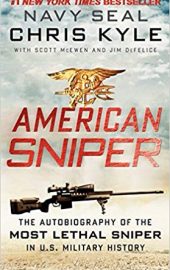
Chris Kyle's military career has been extensively chronicled across various media and literature. His autobiography, American Sniper, offers a first-person account of his experiences and achievements, providing readers with a deep dive into his life as a Navy SEAL. This compelling narrative has also been adapted into a successful film, further extending the reach of his story to a broader audience.
Beyond these personal accounts, numerous articles and discussions in the media have explored the themes and controversies surrounding his service. These discussions often delve into the ethical considerations of warfare and the role of snipers, prompting vigorous debate among military historians and ethicists alike.
Chris Kyle Longest Shot: What Happened on February 2, 2013
Chris Kyle’s Background in the Iraq War
- Chris Kyle was a renowned Navy SEAL sniper who served four tours in the Iraq War.
- Chris Kyle's exceptional marksmanship skills and significant contributions as a sniper in the U.S. military are well-known, and he holds the record for the most confirmed sniper kills in American military history.
- Kyle’s autobiography, “American Sniper,” was adapted into a movie by Clint Eastwood, starring Bradley Cooper.
How Did Chris Kyle's Early Assignments and Training Shape His Sniper Skills?
Chris Kyle’s path to earning the title of one of America’s most skilled snipers began with his decision to join the U.S. Navy in 1996. His acceptance into the prestigious Navy SEALs marked the beginning of a journey characterized by intense physical and mental preparation.
Training and Skill Development
Upon becoming a SEAL, Kyle underwent challenging training regimes designed to push his limits. This included the Basic Underwater Demolition/SEAL (BUD/S) training, recognized for its stringent demands. These experiences honed his physical endurance and mental resilience, foundational qualities for a proficient sniper.
Assignments and Versatile Combat Experience
His initial assignments were critical in developing his sniper skills. He gained firsthand experience in complex combat settings, refining techniques in close-quarters combat and urban warfare. However, his proficiency in long-range shooting set him apart. This specific ability came to the forefront during missions that required precision under pressure, allowing Kyle to demonstrate accuracy from great distances.
Through rigorous training and varied field experience, Chris Kyle was not merely trained but transformed into an exceptional sniper. His journey showcases the comprehensive skill-building that marks the making of a military legend.
The Art of Sniping
Sniping requires a combination of skill, patience, and strategy to successfully engage targets at long range. The principle of 'one shot, one kill' underscores the importance of precision and effectiveness in a sniper's role. Snipers use specialized rifles, such as the McMillan TAC-338, to achieve accurate shots at distances of over 1,000 meters.
Factors such as wind speed, bullet drop, and terrain must be taken into account when making a shot.
Technological Advancements in Sniping
The world of sniping has undergone significant technological advancements in recent years, transforming the way snipers operate and engage their targets. One of the most notable advancements is the development of advanced sniper rifles, such as the McMillan TAC-338, which was used by Chris Kyle to achieve his longest confirmed sniper kill. These rifles are designed to provide long-range lethality and precision, with features such as adjustable stocks, free-floating barrels, and advanced optics.
Another significant advancement is the use of ballistic computers, which enable snipers to quickly and accurately calculate bullet drop and wind drift. These computers take into account factors such as temperature, humidity, and air pressure, allowing snipers to make precise adjustments to their aim. Additionally, the development of advanced ammunition, such as the MK211 mod 0 Raufoss, has increased the effective range of sniper rifles, making it possible for snipers to engage targets at distances of over 1,000 meters.
The use of advanced optics, such as night vision and thermal imaging, has also greatly enhanced the capabilities of snipers. These optics allow snipers to operate in low-light environments and detect targets that would otherwise be invisible. Furthermore, the development of advanced spotting scopes and binoculars has enabled snipers to detect and engage targets at even greater distances.
The integration of technology into sniping has also led to the development of advanced training systems, such as simulators and virtual reality training platforms. These systems allow snipers to train in a realistic and immersive environment, honing their skills and preparing them for real-world missions.
In conclusion, the technological advancements in sniping have significantly enhanced the capabilities of snipers, allowing them to engage targets at greater distances and with greater precision. As technology continues to evolve, it is likely that sniping will become even more effective and efficient, playing an increasingly important role in modern warfare.
Chris Kyle's success as a sniper was significantly bolstered by the pivotal role played by his spotter, Brad Conley. This partnership was marked by seamless communication and flawless teamwork. Conley was instrumental in evaluating the field, analyzing the surroundings with precision, and offering immediate feedback. This dynamic allowed Kyle to execute accurate shots, even under the most pressing conditions. Conley’s keen observations and real-time data were vital in crafting a strategy that enabled Kyle to operate effectively and hit his targets with unparalleled accuracy.
How Chris Kyle Selected and Customized His Weapons for Optimal Performance
Chris Kyle approached weapon selection and customization with a keen attention to detail, prioritizing both functionality and personal preference. His choice of weapons was heavily influenced by his operational requirements, particularly favoring those with superior power and long-range precision.
- Selection Process: Kyle's selection typically focused on rifles known for their reliability and effectiveness in varied environments. This ensured he was well-equipped for diverse missions.
- Customization:
- Performance Optimization: He meticulously tailored his firearms, adjusting elements such as scopes and triggers, to bolster accuracy and efficiency.
- Personal Adjustments: Custom modifications often revolved around enhancing comfort and handling, allowing for a more personalized fit.
By maintaining a rigorous routine of maintenance and modification, Kyle ensured his arsenal was consistently ready for optimal performance. His dedication to weapon customization underscored his commitment to precision and adaptability in the field.
The Longest Confirmed Sniper Kill Record
Chris Kyle’s longest confirmed sniper kill was achieved with a single shot from 1.2 miles (1,930 meters) away, using his McMillan TAC-338 sniper rifle. This shot was made during a mission in Sadr City, eastern Baghdad, Iraq, in 2008. Kyle’s record has been surpassed by other snipers, including a Canadian sniper who achieved a kill shot at 3,540 meters (3,871 yards) in 2017.
Kyle's shot not only demonstrated his exceptional skill as a sniper but also highlighted significant advancements in sniper technology. The use of the .338 Lapua Magnum rifle, renowned for its powerful cartridge and advanced optics, made such extreme long-range engagements possible. This achievement set a new benchmark for sniper capabilities and earned Kyle widespread recognition within the military community.
The impact of Kyle's record-breaking shot extended beyond personal accolades. It showcased the evolving nature of modern warfare, where precision and technology play crucial roles. This milestone in military history underscored the importance of continuous innovation in weaponry and tactics, further cementing Kyle’s legacy as one of the most skilled snipers in history.
Implications Of Sniping
The discussion surrounding the ethical implications of warfare and sniping, especially in the context of Chris Kyle's experiences, touches on several key issues.
- Moral Justification: One major ethical dilemma is whether the act of sniping can be morally justified. In his autobiography, "American Sniper," and in subsequent films, Kyle's actions bring to surface the conflict between duty and ethics. Is it morally permissible to take a life from afar, even if it’s considered a military necessity?
- Impact on Soldiers: The psychological toll on snipers and soldiers raises questions about the long-term effects of such roles. The narrative explores how repeated exposure to violent combat situations can affect mental health and the nature of the decisions soldiers must make in high-pressure environments.
- Civilian Safety: Another ethical issue relates to the potential risk to civilians. The intricate balance snipers must maintain to avoid collateral damage emphasizes the complexity of warfare ethics, where misjudgments can have grave consequences.
- Rules of Engagement: Finally, the rules of engagement and the ethical frameworks governing them are scrutinized. Chris Kyle's story provokes discussion about when, how, and why soldiers are authorized to use lethal force, challenging the boundaries of military conduct.
Through these aspects, Kyle's story triggers a broader conversation about how modern warfare is conducted and the moral questions it raises.
Chris Kyle’s Notable Engagements
Kyle was awarded the Silver Star for his actions during a mission in Ramadi, Iraq, where he engaged and killed several enemy insurgents. During his service, Kyle was known for his pursuit of eliminating the deadliest enemy sniper, Mustafa, which added to the intense challenges he faced on the battlefield.
He also received the Navy and Marine Corps Commendation Medal with Combat “V” device for his service in Iraq.
Kyle’s experiences in the Iraq War are documented in his autobiography, “American Sniper.”
Comparison to Other Snipers
- Chris Kyle’s record for the most confirmed sniper kills in American military history has been recognized by the Pentagon.
- Other notable snipers, such as Sergeant Bryan Kremer and Canadian sniper Rob Furlong, have also achieved impressive records for long-range shooting.
- The art of sniping continues to evolve, with advances in technology and training allowing snipers to engage targets at increasingly longer ranges.
- During his military career, Chris Kyle was recognized for having 160 confirmed kills, establishing him as one of the most lethal snipers in the history of the U.S. Military.
The Impact of American Sniper
- The movie “American Sniper” directed by Clint Eastwood, was a critical and commercial success, grossing over $547 million worldwide.
- The film’s portrayal of Chris Kyle’s life and experiences in the Iraq War sparked controversy and debate about the war and its impact on veterans.
- The movie also highlighted the importance of the role of snipers in modern warfare.
Legacy and Impact
- Chris Kyle’s legacy as a Navy SEAL sniper continues to inspire and influence the military and law enforcement communities.
- His autobiography, “American Sniper,” has become a classic of modern military literature, offering a unique perspective on the experiences of a sniper in combat.
- Kyle’s record for the most confirmed sniper kills in American military history remains an important part of his legacy.
After completing his military service, Chris Kyle actively contributed to supporting veterans and their families by focusing on initiatives aimed at promoting physical and mental well-being. He established a foundation dedicated to providing veterans with access to fitness resources and training. This effort specifically targeted those dealing with PTSD and other injuries sustained during service.
Kyle was a firm believer in the healing benefits of physical activity. Through his foundation, he worked tirelessly to help veterans recover and transition back into civilian life with a sense of purpose and community. By doing so, he played a vital role in offering a therapeutic outlet and support for many of his fellow service members.
The Chris Kyle Memorial is a tribute to one of America's most renowned Navy SEALs. It is situated at the Navy SEAL Museum in Fort Pierce, Florida. Visitors can view a life-size statue of Chris Kyle, a testament to his courage and unwavering dedication.
This site commemorates Kyle's significant contributions and serves as an inspirational landmark for future generations. It reminds all who visit of the profound impact one individual can have through commitment and service. With its prominent location in a museum dedicated to Navy SEAL history, the memorial plays a vital role in preserving Kyle's legacy.
Conclusion
In conclusion, Chris Kyle’s legacy as a Navy SEAL sniper continues to inspire and fascinate people around the world. His record-breaking sniper kills, including his longest confirmed sniper kill at 1.2 miles, demonstrate his exceptional skill and bravery. The technological advancements in sniping, including the development of advanced sniper rifles, ballistic computers, and optics, have transformed the way snipers operate and engage their targets.
The impact of Chris Kyle’s story extends beyond the military, with his autobiography, “American Sniper,” and the film adaptation directed by Clint Eastwood, reaching a wide audience and sparking important conversations about the nature of war and the sacrifices made by those who serve.
As we reflect on Chris Kyle’s life and legacy, we are reminded of the importance of courage, perseverance, and sacrifice. His story serves as a powerful reminder of the bravery and selflessness of those who serve in the armed forces, and the impact that their actions have on the world.
In the end, Chris Kyle’s legacy is a testament to the power of human spirit and the enduring impact of one person’s actions. His story will continue to inspire and motivate people for generations to come, serving as a reminder of the importance of courage, honor, and sacrifice.




I was a snipper in nam know first hand what he went through… had a 1,000.000 bounty on my head !!! sent back to Bragg and then home.. Still to this day I think about what I had done!! Who give you the right to take another ones life !!! I now have and train goldens to be S&R dogs along with cadaver. My best to all. GOD BLESS US ALL WE NEED IT!!!!!!!